Dacia’s CEO has confirmed that the next-generation Sandero will retain the versatile CMF-B platform in its combustion and hybrid forms, while the pure electric variant will leverage the AmpR Small platform (also known as CMF-B EV), shared with upcoming Renault models like the Renault 5 E-Tech. This strategic move allows Dacia to offer a multi-energy lineup without inflating costs, ensuring the Sandero remains a practical choice for everyday drivers and families.
Design and Exterior: Modern Yet Practical
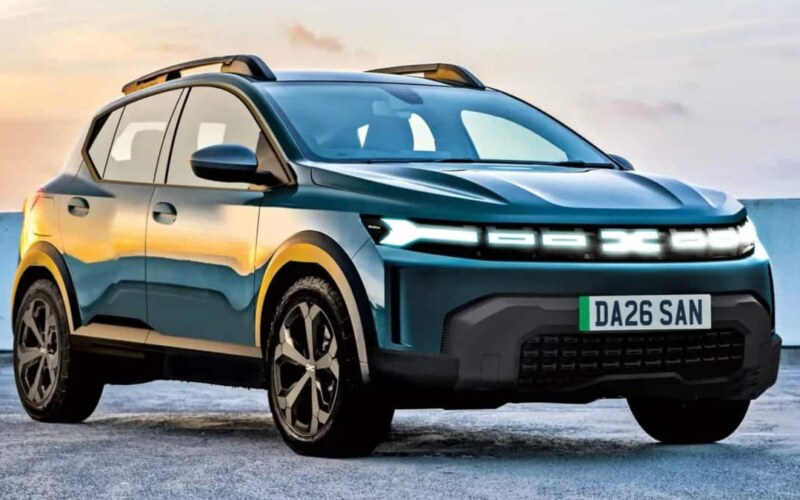
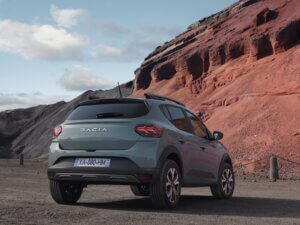
The next-gen Dacia Sandero is expected to feature a refreshed design language inspired by recent Dacia models such as the Duster and Bigster. Expect sharper lines, a more confident stance, and updated LED lighting signatures, including distinctive T-shaped daytime running lights. The front fascia will likely incorporate a bolder grille and sculpted hood for a more contemporary appearance, while maintaining the Sandero’s compact dimensions—roughly around 4.1 meters in length—to excel in urban environments.
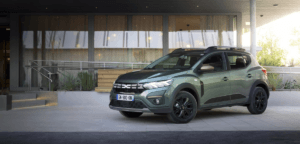
The popular Stepway variant may evolve further, potentially transitioning toward a more crossover-like profile with increased ground clearance, roof rails, and rugged cladding. This would position the Stepway as a stylish yet affordable alternative to small SUVs. Overall, the design philosophy remains true to Dacia’s “essential” ethos: robust, functional, and free from unnecessary frills that drive up prices.
Interior and Cabin Comfort
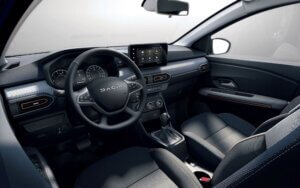
Inside, the 2027–2028 Dacia Sandero is anticipated to deliver meaningful upgrades over the current model. Drivers can look forward to an improved dashboard layout with higher-quality materials in key touchpoints, a new 7-inch or larger digital instrument cluster, and a central 10-inch multimedia touchscreen supporting wireless Apple CarPlay and Android Auto.
Practicality remains a strong point. The cabin should continue to offer generous space for five passengers, with ample headroom and legroom in the rear. Boot capacity is expected to stay competitive at around 328 liters or more, depending on the powertrain. Modular storage solutions, such as Dacia’s signature YouClip system for accessories, will likely be carried over or enhanced, making the interior highly adaptable for daily commuting, shopping trips, or weekend getaways.
Powertrains, Performance, and Efficiency
One of the biggest changes for the next-gen Sandero is the introduction of electrified options. The fully electric version, arriving as part of the 2027–2028 lineup, is expected to draw technology from the Renault 5 and Renault 4 E-Tech. Potential configurations include battery packs of 40 kWh or 52 kWh, paired with electric motors producing approximately 95 hp in the base model and up to 150 hp in higher trims.
Performance-wise, the electric Sandero should offer responsive acceleration suitable for city driving and highway merging, with a focus on affordability rather than blistering speed. Hybrid variants are also in the works, likely featuring a 1.6-liter or 1.8-liter petrol engine combined with electric motors for a total output around 140–155 hp. These hybrids could achieve significant electric-only driving in urban conditions, helping reduce fuel consumption and emissions.
Traditional petrol engines, possibly mild-hybrid assisted, will remain available to cater to markets where full electrification is still maturing. Dacia’s approach emphasizes real-world efficiency over headline-grabbing figures, ensuring low running costs that align with the brand’s budget-friendly positioning.
Battery, Range, and Charging for the Electric Variant
For the pure EV model, expect a usable real-world range of approximately 250–350 km (155–217 miles) on a full charge, depending on battery size and driving conditions. This range prioritizes affordability and lighter weight over maximum distance, keeping the vehicle competitive in the entry-level EV segment.
Charging capabilities will likely include support for DC fast charging, enabling 10–80% top-ups in a reasonable time frame—though Dacia has indicated it may not chase ultra-rapid 20-minute charges to control costs. AC home charging via a standard wallbox or portable charger should be straightforward, making overnight top-ups convenient for most owners. The use of cost-effective LFP battery chemistry is rumored, which offers good longevity and safety at a lower price point.
Technologies and Safety Features
The next-generation Sandero will bring modern driver assistance systems to the affordable segment. Expect features such as adaptive cruise control, lane-keep assist, automatic emergency braking, traffic sign recognition, and a rear-view camera or 360-degree monitoring in higher trims. The infotainment system should include navigation with real-time traffic updates, voice control, and over-the-air update capabilities.
While not loaded with luxury gadgets, the focus will be on useful, reliable technology that enhances safety and convenience without complicating ownership or increasing maintenance costs.
Pricing and Value Proposition
Pricing remains one of the strongest selling points. The next-gen Dacia Sandero is projected to start below €20,000 for combustion and hybrid versions, with the electric model also aiming to be among the most accessible EVs on the market—potentially undercutting many rivals while offering genuine everyday usability. Exact figures will depend on trim levels and local incentives, but Dacia’s track record suggests exceptional value for money.
This positioning makes the Sandero ideal for first-time buyers, young families, and fleet operators seeking low total cost of ownership. Compared to premium competitors, the new Sandero delivers 80–90% of the experience at roughly half the price in many cases.
Potential Pros and Cons
Advantages (Pros):
- Highly competitive pricing that undercuts most rivals in the B-segment.
- Multi-energy powertrain options, including a much-needed full EV variant.
- Practical and spacious interior with clever storage solutions.
- Robust build quality suited to real-world use and light off-road excursions (especially Stepway).
- Low running costs, particularly with hybrid and electric models.
- Modern safety and infotainment features tailored to budget-conscious buyers.
Disadvantages (Cons):
- Electric range may be modest compared to higher-end EVs, prioritizing affordability over maximum capability.
- Interior materials will likely remain functional rather than luxurious.
- Performance in base models will be adequate but not sporty.
- Charging speeds might not match premium EVs, reflecting the cost-saving approach.
- Limited availability of advanced driver aids in entry-level trims.
Overall, these trade-offs align perfectly with Dacia’s philosophy of delivering essential mobility without excess.
Who Should Consider the Next-Gen Dacia Sandero?
The 2027–2028 Dacia Sandero targets drivers who need a reliable, versatile, and economical car for daily commuting, family duties, and occasional longer trips. City dwellers will appreciate its compact size and electric/hybrid efficiency, while those in suburban or rural areas will benefit from the rugged Stepway variant and flexible powertrains.
If you value straightforward ownership, low maintenance, and strong resale potential in the budget segment, the new Sandero is worth waiting for. It continues Dacia’s tradition of democratizing modern mobility, making features once reserved for expensive cars available to a broader audience.
As the automotive industry shifts toward electrification, the next-generation Sandero represents Dacia’s smart evolution—combining proven platform strengths with timely green technology while preserving the core appeal that has made it a European bestseller for years.
For the latest official updates and specifications as they emerge closer to launch, keep an eye on developments from the Renault Group. In the meantime, the current Sandero range offers an excellent preview of the practical DNA that will define its successor.
 Price in USD
 Price in European Union
 Price in United Kingdom
 Price in Australia
 Price in Canada
 Price in India
 Price in China
 Price in Indonesia
 Price in Philippines
 Price in Malaysia
 Price in Nigeria
 Price in Russia
 Price in Pakistan
 Price in Saudi Arabia
 Price in Japan
 Price in South Africa
 Price in Brazil
 Price in Bangladesh
 Price in Mexico